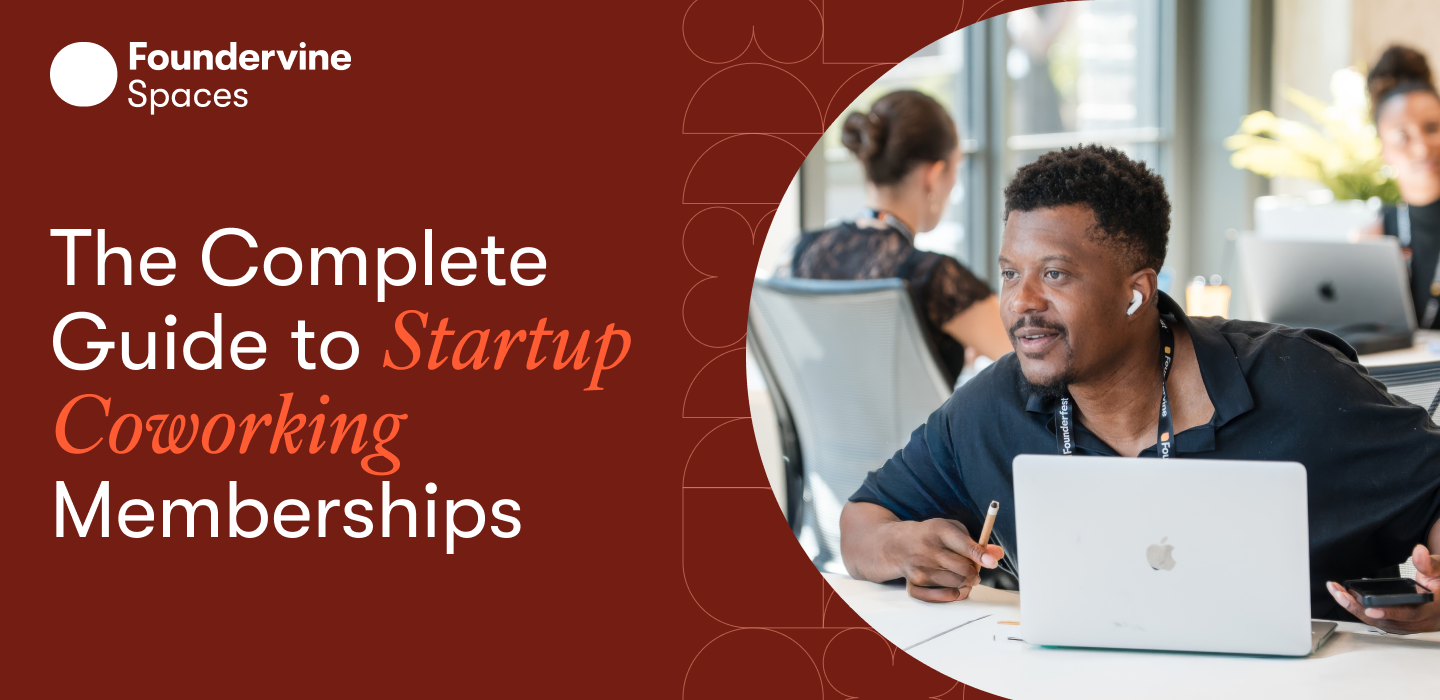
The Complete Guide to Startup Coworking Memberships
Where you work shapes how fast your startup grows. Learn how flexible coworking memberships unlock vital community, mentorship, and agility without the risk of long-term leases.
Choosing a workspace might not sound like a make-or-break decision for your startup. But where you work shapes who you meet, how fast you move, and how confidently you pitch. For early-stage tech founders, especially those from underrepresented backgrounds, the right coworking space for startups can unlock community, mentorship, and momentum that a home office simply cannot match.
This guide walks you through everything you need to know about flexible coworking memberships. From understanding the different membership tiers to evaluating what matters most at each stage of your startup journey, you will finish with a clear framework for making the right choice.
Foundervine helps founders access workspace, programmes, and community through its integrated ecosystem at Foundervine Spaces in London. This guide draws on that lived understanding of what early-stage founders actually need from their environment.
Key Takeaways: Startup Coworking Memberships
Coworking memberships give early-stage startups professional workspace without the burden of long-term commercial leases.
Flexible membership tiers let you scale up or down as your team and budget change month to month.
Community-driven coworking spaces provide networking, mentorship, and collaboration that accelerate founder growth.
Foundervine Spaces combines coworking with accelerator access, capital connections, and founder-focused support in one location.
Choosing the right membership depends on your current stage, team size, and the type of support you need beyond a desk.
What Is a Coworking Space Membership?
A coworking space membership gives you access to shared professional workspace on a recurring basis, typically monthly. Rather than signing a multi-year commercial lease, you pay a membership fee that covers essentials like desks, high-speed internet, meeting rooms, and communal areas.
Memberships usually come in tiers. A hot desk plan provides access to any available seat in the space on a given day. A dedicated desk gives you a fixed spot you can personalise and return to. Private offices are available for teams that need their own enclosed area.
For startups, this model removes the upfront cost and long-term risk of traditional office space. You get a professional base of operations without committing capital that could go toward product development, hiring, or marketing.
Why Are Coworking Memberships Ideal for Early-Stage Startups?
Early-stage startups operate in constant flux. Your team size changes. Your budget shifts. Your priorities evolve quarterly, sometimes weekly. A coworking membership is designed to move with you.
Month-to-month contracts mean you are never locked into a space you have outgrown or can no longer afford. If your team doubles after a funding round, you can upgrade your plan. If you need to tighten spending, you scale back without penalty.
Not all memberships are created equal. Understanding the differences helps you choose a plan that matches where your startup is right now, not where you hope to be in two years.
Hot Desk Memberships
Hot desk plans offer shared access to open seating on a first-come, first-served basis. You arrive, pick an available desk, and start working. This option suits solo founders or very early-stage teams that value variety and lower costs.
Hot desking also encourages organic networking. Sitting next to different people each day creates natural conversation starters and potential collaboration opportunities.
Dedicated Desk Memberships
A dedicated desk gives you a fixed workstation within the shared space. Your belongings stay put overnight, and you develop familiarity with neighbours. This is a good fit for founders who want consistency and a sense of routine alongside community access.
Dedicated desks often include extras like personal storage, a registered business address, and priority booking for meeting rooms.
Private Office Memberships
Private offices provide an enclosed space for teams that need confidentiality or a focused environment. You still benefit from the coworking community's events, networking, and shared amenities, but your day-to-day work happens behind a closed door.
This tier makes sense for startups with sensitive intellectual property, frequent investor calls, or teams of five or more people who need a dedicated collaboration area.
Day Pass and Pay-As-You-Go Options
Some spaces offer day passes or bundled visit packages for founders who do not need daily access. These work well for remote-first teams that want a professional space for client meetings, workshops, or focused work sessions a few times per month.
What to Look for in a Startup Coworking Space
A desk and Wi-Fi are table stakes. The coworking spaces that genuinely support startup growth go far beyond the basics. Here is what to evaluate before committing to a membership.
Community and Networking Opportunities
The people in the building matter as much as the building itself. Look for spaces that attract other founders, investors, and industry professionals. Regular events, pitch nights, and community gatherings create structured opportunities to build relationships that move your business forward.
The Foundervine community, for example, has supported over 1,837 businesses and facilitated more than £105 million in funding raised across its network of founders and programmes.
Access to Mentorship and Programmes
Some coworking spaces integrate mentorship, accelerator access, and structured learning into the membership experience. This goes well beyond a physical workspace. Founders get direct access to professionals who have built and funded startups before.
Foundervine offers this through its programmes, including accelerators like The Foundry and Immerse, which provide hands-on coaching and investor readiness support alongside workspace.
Location and Transport Links
Your coworking space should be easy to reach for you, your team, and anyone you invite for meetings. Central locations with strong transport connections reduce friction and make it simpler to attend events or meet collaborators across the city.
Amenities That Save Time and Money
Meeting rooms, phone booths, printing services, coffee bars, and event spaces should be included or available at reasonable rates. These amenities save you from spending time and money sourcing them independently.
Flexibility of Membership Terms
Month-to-month contracts are essential for startups. Avoid spaces that require six-month or annual commitments unless they offer significant flexibility within those terms. Your needs will change, and your workspace agreement should accommodate that.
How Coworking Memberships Differ from Traditional Office Leases
Traditional office leases typically require multi-year commitments, large deposits, and responsibility for fit-out, maintenance, utilities, and insurance. For an early-stage startup, that level of financial commitment can consume runway better spent on growth.
Coworking memberships bundle all of those costs into a single monthly fee. You show up and get to work. Internet, cleaning, security, and communal supplies are handled for you.
The difference extends beyond cost. In a traditional lease, scaling up means renegotiating terms or moving. In a coworking space, you upgrade your plan. Scaling down is equally straightforward. This operational agility lets founders stay focused on building their product and serving customers rather than managing facilities.
How to Choose the Right Membership for Your Startup Stage
Your ideal membership depends on where you are in your journey. Here is a practical framework for matching your stage to the right plan.
Pre-Revenue and Idea Stage
At this stage, you are likely working solo or with a co-founder. A hot desk or day pass bundle keeps costs minimal while giving you access to a professional environment and a community of fellow founders.
Use this time to attend networking events, participate in workshops, and build relationships. The connections you make now could become your first customers, advisors, or investors.
Post-Funding and Early Growth
Once you have secured initial funding and are hiring your first team members, a dedicated desk or small private office gives you stability. You need a space where your team can work together consistently and where you can hold confidential conversations.
Look for spaces that offer integrated support at this stage, such as introductions to investors, access to accelerator programmes, and connections to potential hires through the community.
Scaling and Team Expansion
As your team grows beyond five to ten people, you may need a private office or even a dedicated floor within a coworking space. At this point, evaluate whether the space can accommodate your growth over the next twelve to eighteen months.
The right coworking environment at this stage continues to offer community benefits while providing the privacy and infrastructure a growing team demands.
The Role of Community in Startup Coworking
Community is the most undervalued feature of a coworking membership. A strong founder community provides accountability, peer learning, and emotional support through the highs and lows of building a company.
Working alongside other ambitious founders creates an energy that is difficult to replicate at home or in an isolated office. You overhear conversations about fundraising strategies, product launches, and growth challenges that directly inform your own decisions.
Structured community events amplify this effect. Pitch nights, founder breakfasts, and industry meetups create intentional touchpoints that turn neighbours into collaborators, advisors, and friends.
How Coworking Spaces Support Diverse Founders
Access to entrepreneurship is not distributed equally. Founders from underrepresented backgrounds, including women, Black founders, and founders from low-income communities, often face additional barriers to funding, mentorship, and professional networks.
Coworking spaces that intentionally build inclusive communities help address these gaps. They create environments where diverse founders can access the same calibre of connections and support that has historically been available only to a narrow group.
Foundervine was built on this principle. Its mission is to back the unexpected founders shaping a better future. Programmes like the Barclays Black Founder Accelerator and The Foundry, an immersive entrepreneurship lab for participants from low-income backgrounds, demonstrate this commitment in practice.
Common Mistakes to Avoid When Choosing a Coworking Membership
Choosing the wrong membership wastes money and can set your startup back. Here are the most common mistakes founders make.
Overcommitting on Space
Signing up for a private office when a hot desk would suffice burns cash. Start with the minimum viable workspace and upgrade as your needs grow.
Ignoring the Community Factor
A beautiful space with no community is just a shared room. Prioritise spaces that actively foster connections between members through events, introductions, and shared resources.
Choosing Based on Price Alone
The cheapest option rarely offers the support, amenities, or network that early-stage founders need. Evaluate the total value of a membership, including community, mentorship access, and growth support, not just the monthly fee.
Not Testing Before Committing
Most coworking spaces offer tours or day passes. Use them. Spend a full working day in the space to assess the atmosphere, noise levels, internet reliability, and the kind of people who work there.
How to Maximise Your Coworking Membership
Getting the most from your membership takes intentional effort. The space provides the platform; you supply the initiative.
Attend Events Consistently
Show up to community events, workshops, and networking sessions. Relationships build over repeated interactions, not one-off introductions. The founders you meet at a Tuesday morning session could become your most valuable connections.
Use Meeting Rooms Strategically
Book meeting rooms for investor pitches, client presentations, and team planning sessions. A professional meeting environment signals credibility and preparedness.
Engage with the Wider Ecosystem
If your coworking space offers accelerator programmes, mentorship, or founder development initiatives, take advantage of them. These resources often represent far more value than the workspace itself.
Build Genuine Relationships
Introduce yourself to other members. Share what you are working on. Ask about their challenges. The strongest coworking communities are built on generosity and mutual support, not transactional networking.
Step-by-Step Guide to Securing Your First Coworking Membership
Ready to make the move? Here is a clear process for finding and securing the right membership for your startup.
Step 1: Define Your Requirements
List what you need right now. Consider team size, budget, required amenities, preferred location, and whether you need daily access or a few days per week. Be honest about your current needs rather than aspirational ones.
Step 2: Research Spaces in Your Area
Search for coworking spaces that serve your location and industry. Read reviews, check social media, and ask other founders for recommendations. Shortlist three to five spaces that align with your requirements.
Step 3: Visit and Experience Each Space
Book tours or day passes at your shortlisted spaces. Pay attention to the atmosphere, the types of professionals working there, the quality of amenities, and whether the community feels welcoming and active.
Step 4: Compare Membership Tiers and Value
Create a simple comparison of each space's membership tiers, what is included, and any additional costs. Factor in community quality, event programming, and access to mentorship or programmes alongside the headline fee.
Step 5: Sign Up and Get Involved
Choose the membership that offers the strongest combination of workspace, community, and growth support. On your first day, introduce yourself to the community manager and ask about upcoming events. Starting engaged sets the tone for a productive membership.
The Future of Coworking for Startups
The coworking industry continues to grow rapidly. According to Grand View Research, the global coworking spaces market is projected to reach over USD 40 billion by 2030. This growth is driven by the expansion of hybrid work, the rise of the freelance economy, and increasing corporate adoption of flexible workspace solutions.
For startups, this means more choice, more specialised spaces, and greater integration of support services within coworking environments. Spaces that combine workspace with founder development, capital access, and community will define the next era of startup coworking.
Foundervine Spaces represents this direction. By bringing together coworking, accelerator programmes, expert guidance, and a curated founder community under one roof, it offers the kind of integrated ecosystem that early-stage founders increasingly need to build, connect, and scale.
FAQs About Startup Coworking Memberships
What is the difference between a hot desk and a dedicated desk?
A hot desk gives you access to any available seat in the coworking space each day. A dedicated desk is your fixed workstation that remains assigned to you, allowing you to leave personal items and build a consistent routine.
How much does a coworking membership typically cost for startups?
Costs vary based on location, membership tier, and included amenities. Hot desk plans are the most affordable option, while dedicated desks and private offices are priced higher. Most spaces offer month-to-month billing with no long-term commitment required.
Can coworking spaces help my startup grow beyond just providing a desk?
Absolutely. Coworking spaces with active communities offer networking, mentorship, and event programming. Foundervine Spaces goes further by integrating accelerator access, investor introductions, and founder development programmes directly into the membership experience.
Are coworking memberships flexible enough for a fast-changing startup?
Yes. Most coworking memberships operate on a month-to-month basis. You can upgrade to a larger plan as your team grows or scale back if priorities shift. Foundervine Spaces offers tiered memberships designed to match different stages of startup growth.
How do I know if a coworking space is right for my startup?
Visit the space, attend an event, and talk to current members. The right coworking space should feel energising, offer a community of like-minded founders, and provide the amenities and support your startup needs at its current stage. Foundervine offers day passes so you can experience the environment before committing.