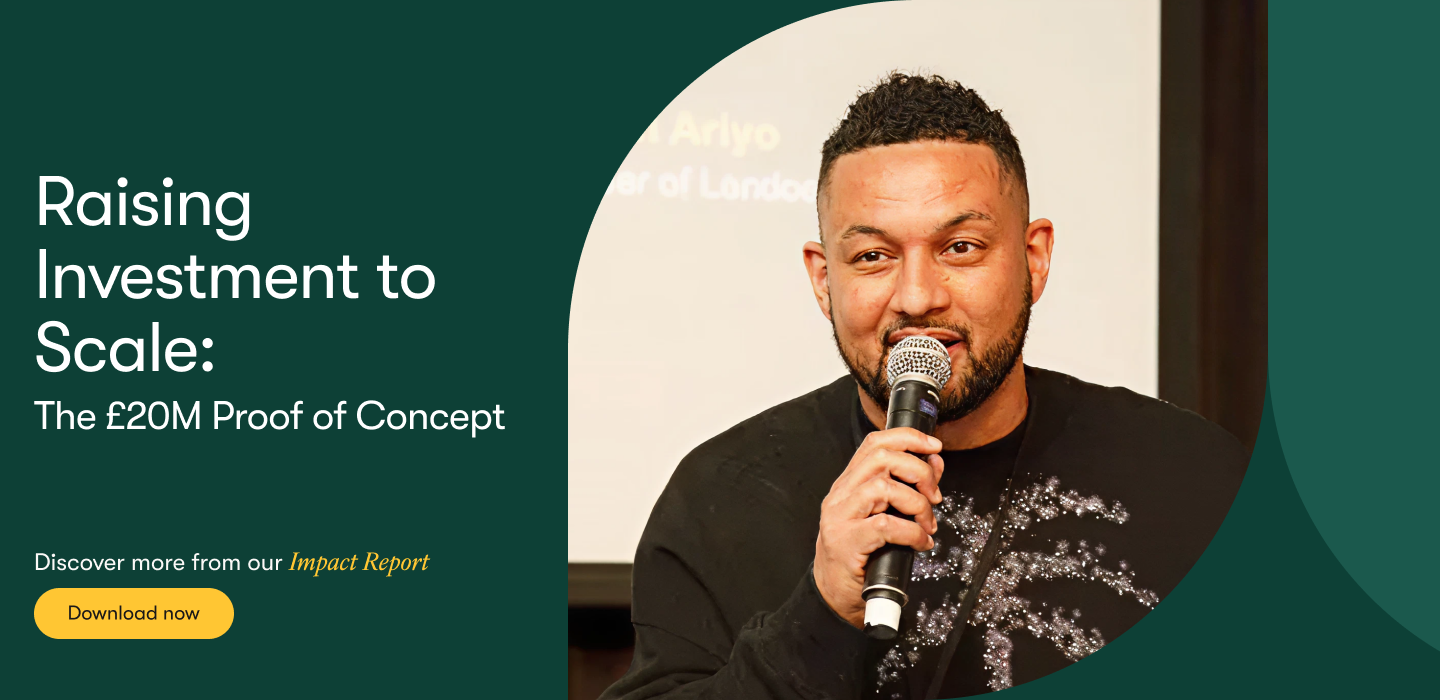
More than a fundraising story, Leon Wilson, founder of PollenPay, offers practical insights on conviction, clarity and the mindset needed to scale when the odds are stacked.
Can you share the story behind your business and what motivated you to start it?
I suppose the original concept of PollenPay arose from my frustration with money transfers in general – whether that is from overseas from an international point of view or just to and from my own UK personal accounts – I just thought that the time lag, charges and fees associated with everything to do with payments was outdated and inefficient. Being the type of person to roll up my sleeves and try to resolve the matter myself, rather than moan about it, I wanted to improve it.
What were the biggest challenges you faced when launching your business?
So, back in 2017/18, the buy now pay later landscape in the UK hadn't been established yet. Some of the bigger incumbents like the Klarna’s of the world or Afterpay hadn't really captured large market share at that point, so there was an opportunity for a new player in this environment.
The challenge was just making people aware that this type of payment method existed. Also from a compliance point of view, it sort of falls in a grey area in the FCA space and is classed as an unregulated product even though it falls into the consumer lending type offering – so there was another challenge around educating consumers, in addition to getting people understand what this product is, how customers are using it, and what regulations should look like for this space.
How has your business grown & scaled over the last few years?
We’ve grown, grown and then retracted again and hopefully – third time lucky – we get it right this time.
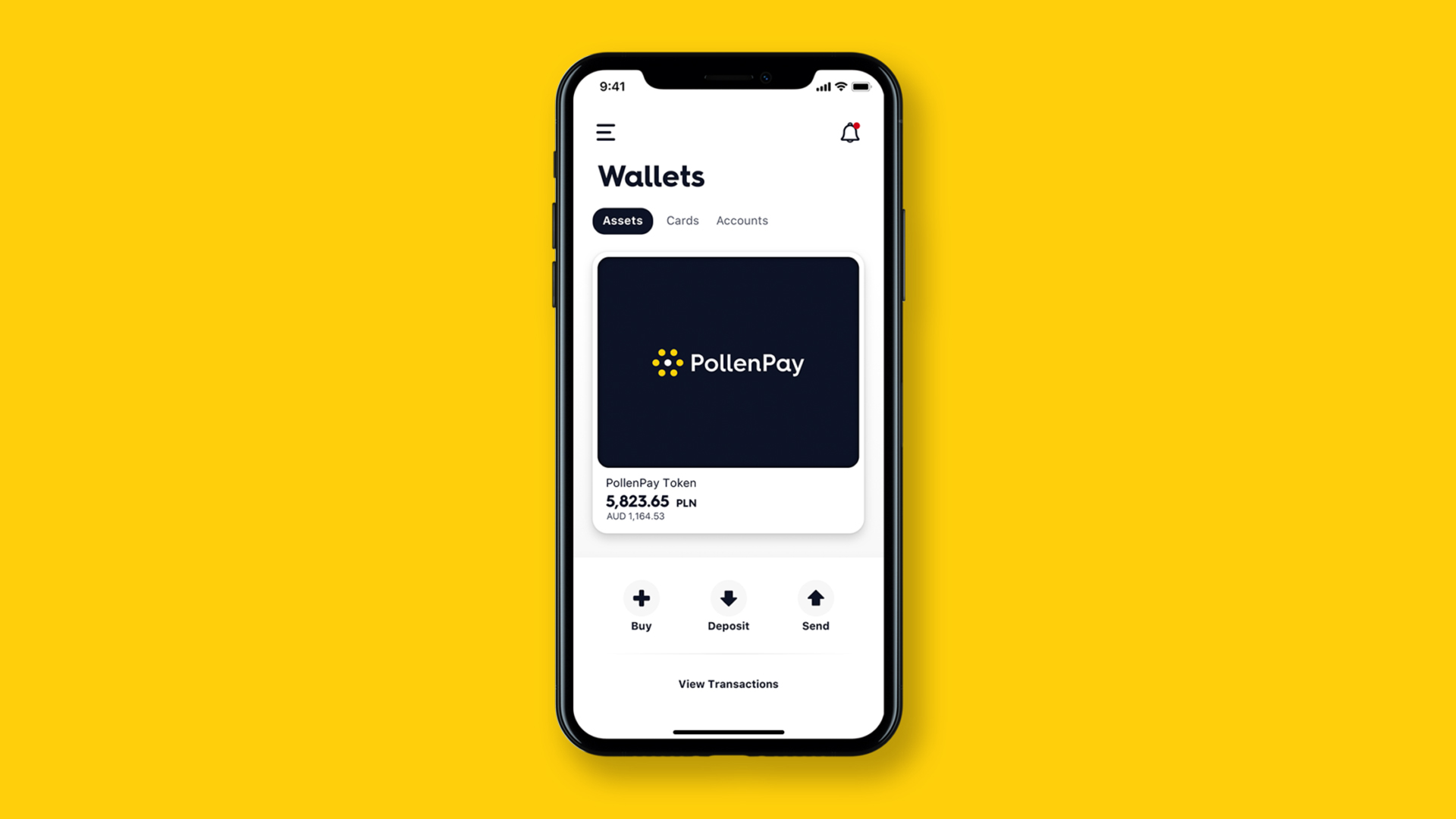
What I mean by this is that we initially raised some venture capital - about a million pounds and a 20 million pound debt facility. We built a product that covered multiple verticals: commerce, in-store and a virtual card and we acquired quite around 20,000 users – which is a lot – and a few thousand merchants. So, we were scaling but the platform itself was a proof of concept – it was never designed to be a scalable MVP if we call it that, so it was very labor intensive.
We had 40 employees to cover the operational lags and in capabilities of the platform at the time. So that being said, when we went out for funding again, the full intention was to build an automated, efficient platform that could scale without the need for 50 staff. We see ourselves as a tech company, therefore, we shouldn't need a lot of bodies; the technology should do the heavy lifting.
We've just closed one of the first checks which is just short of a £2 million round and we got the first £250,000 cheque around two weeks ago. We’ve also received yesterday grant confirmation for around £480,000from an Innovate UK grant, and we're looking to close the rest of the round in early Q1 of 2025.
So, from a funding point of view, we now have the resources we need to continue growing. In fact, we’re planning to launch a crowdfunding campaign in February to build some brand awareness, with plans to review and close the campaign by June.
Is there anything that you’re particularly proud of and would like to highlight?
I'm so proud of the team for sticking by us, because we went through 15 months of hell when two investments fell through, during the due diligence stage, because of multiple reasons like funds coming from overseas that were sanctioned and embargoed. So obviously, after three or four months of hard work it was a bit demoralizing; it was a hard time. So, what I was really impressed by was the team's resilience and even my own personal resilience to stick it out, keep fighting and eventually win a big UK grant.
What do you think businesses should consider when trying to secure early-stage funding?
Fundraising in the early stages was super interesting and we were very fortunate. We always knew how much funding we needed which is an area that people can often get wrong, I think, because you can set bad money and setting bad money can be detrimental to your business so you need to know your product really well and know what kind of funding you need. It’s also important to not take too much or too little but the right amount of valuation that you need in order to get to each milestone that you want to get to.
People sometimes just go out there and take the first cheque, whatever its size, because they think it's going to either pay for their staff or get them to a certain milestone, but if they've not really sat down and thought about the entire journey, and of what that money raising cycle looks like, they might realise that they’d be out of business before they hit a series A round.
They may also lack the drive and passion to continue pushing their venture because they don't have enough skin left in the game and may think that they’ve won big already.
So, I think the early stages of fundraising are supercritical and you really need to sit down and understand the milestones that you want to achieve and what they cost. Sometimes, it may not even be from a monetary standpoint, sometimes access to the right network might be worth more than actual capital in the bank, so it’s super important to spend more time thinking about it from a broader perspective as opposed to just thinking numerically: I need £50,000, £100,000. There’s a lot more than just monetary components.
Ready to discover how we are shaping the future? Download our 2025 Impact Report